During the first eighteen months of the STELLA project, AgriFood Lithuania DIH (AFL) carried out the main work in Lithuania – testing how advanced pest monitoring technologies can work in real farming conditions. This phase provided a solid foundation for further technology deployment and data analysis improvements, combining scientific research, digital tools and everyday agricultural practices.
The pilot activity was focused on Valuckų ūkis in southern Lithuania, one of the largest potato producers in the country, where potatoes are grown on an area of about 500 hectares annually. Here, AFL created a data collection and analysis infrastructure that combines field monitoring, meteorological data and visual observations.
Technologies in soil – implementation of monitoring solutions
In the spring of 2024, AFL installed four automated insect traps to record pest population activity, and integrated weather stations measuring temperature, humidity, wind direction, and precipitation into two of them. In addition, 12 fields (2–19 ha) were monitored using satellite data to create a general picture of the condition of the fields and combine it with local measurements.
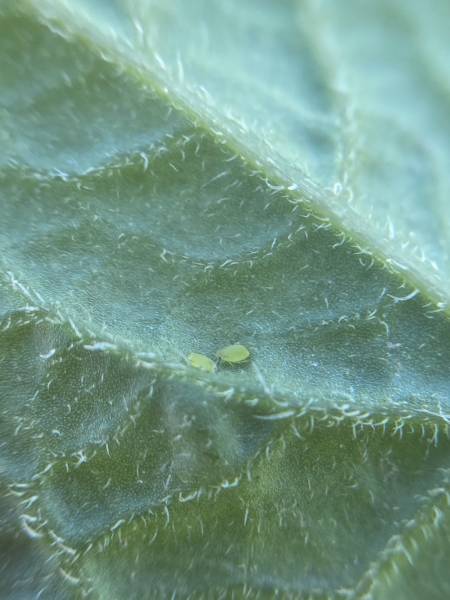
Figure 1: Close-up pest detection on potato’s leaf in Lithuania
The results of the 2025 growing season revealed a clear pattern: aphid activity (Aphididae) began to appear early in the potato growth phase, but due to an unusually rainy and cool summer, the spread of potato leafroll virus (PLRV) was limited. This contrast between biological risk and meteorological conditions has become a valuable source for improving early warning methodologies and determining more accurate monitoring periods.
Farmer involvement and mutual benefits
The collaboration with “Valuckų ūkis” became not only a technological but also a human one. The AFL team, together with the farm’s agronomists, addressed issues of equipment installation, maintenance, and data transmission, periodically visited the fields and discussed initial results.
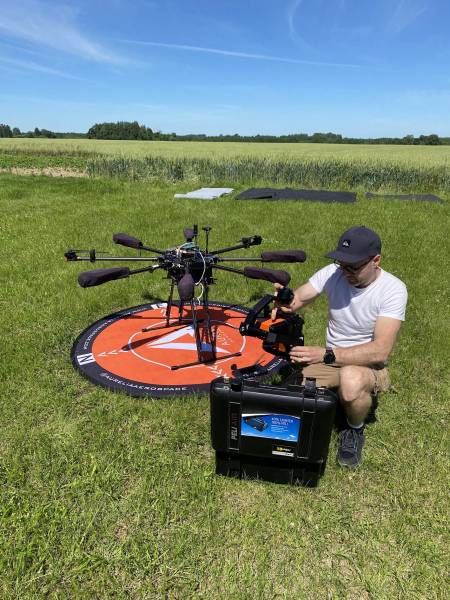
Figure 2: Drone set up in Lithuania’s potato field (UCP 3)
Credits: AgriFood Lithuania DIH
Such direct contact made it possible to assess how innovations work in the daily rhythm of farming; from pest detection to decisions on when to spray and when to wait. The farm provided valuable insights into the reliability of the equipment and its real impact on the planning of protection measures.
Knowledge dissemination and collaboration
AFL actively shared its experience and achievements at both national and international levels. The project was presented at the “Farm of the Year 2024″ event in Vilkaviškis, attended by over 100 farmers from the region, as well as the international workshop “Pest Detection Tools feat. Lithuanian Pilot” (June 2025), which brought together more than 50 agricultural innovation experts.
These events provided valuable platforms for discussions among scientists, farmers, and policymakers about how data analysis and smart technologies can become everyday farming tools.
Challenges and lessons
The first phase (M1–M18) demonstrated that even the most advanced technologies depend on nature. The rainy summer of 2025 sometimes disrupted the operation of the equipment, so it was important to develop procedures for synchronizing data between satellite and local sources.
However, these challenges highlighted the main strength of the project: its ability to adapt quickly and learn from field data. The AFL team emphasized that farmers’ involvement and openness to innovation are just as important as the technology itself.
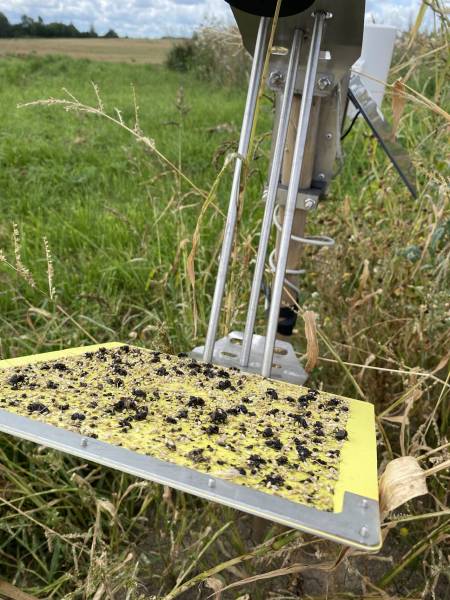
Figure 3: Colour-attracting insect trap in Lithuania’s potato fields
Credits: AgriFood Lithuania DIH