STELLA Monitors Grapevine Diseases in Alsace

A new data collection campaign in Alsace

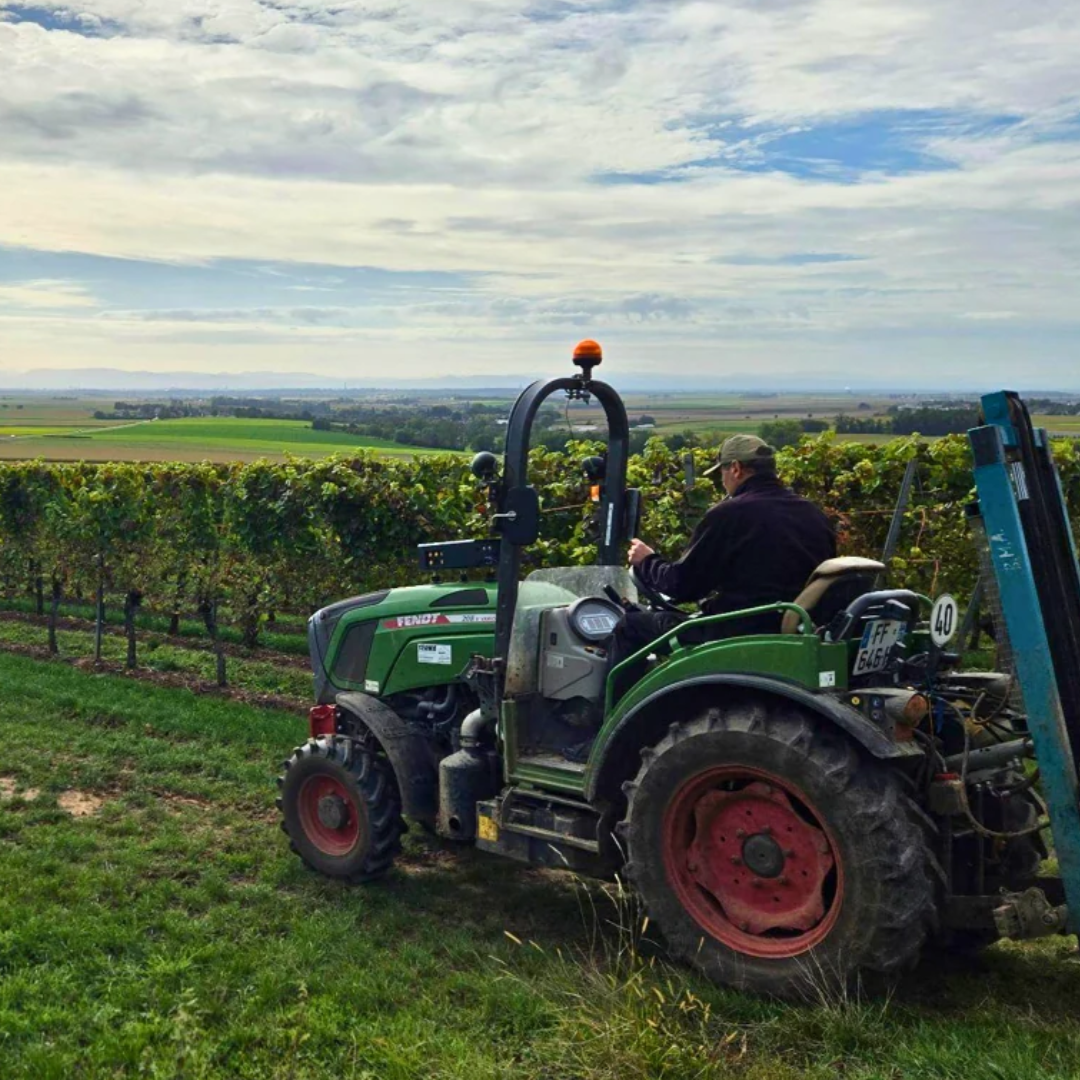
In 2026, the French Institute of Vine and Wine (IFV), based in Colmar, carried out a new data collection campaign across the vineyards of Use Case Pilot 1 (UCP1) in Alsace, as part of the European STELLA project. The campaign combined drone flights, tractor-mounted camera acquisitions and field surveys to collect complementary information on grapevine health.

The objective is to contribute to the development of digital tools capable of detecting two important grapevine diseases: Bois noir and Grapevine leafroll disease. By combining remote sensing technologies, artificial intelligence and field expertise, STELLA aims to improve disease monitoring and support more informed decision-making in viticulture.

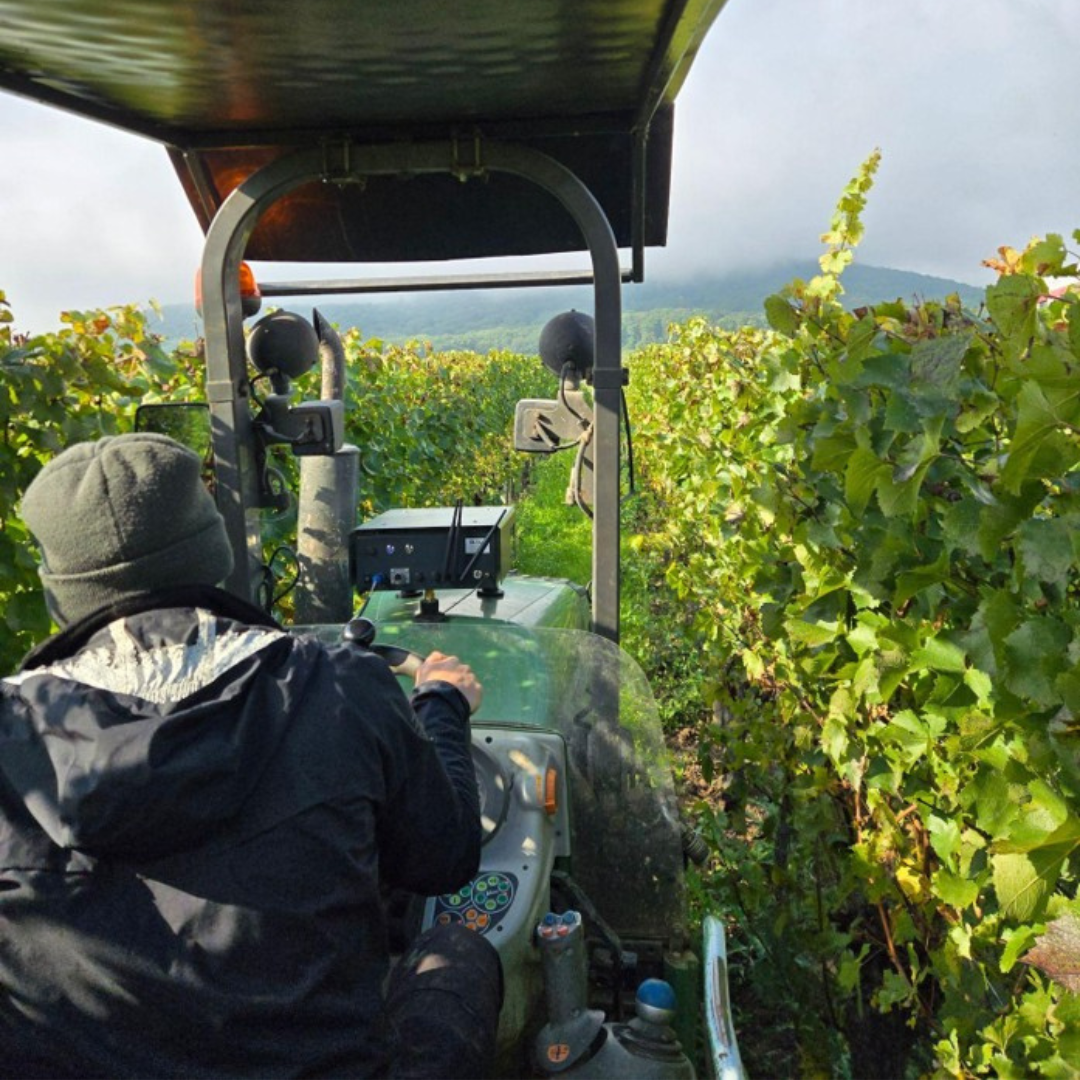
Onboard camera mounted on a tractor collecting canopy images
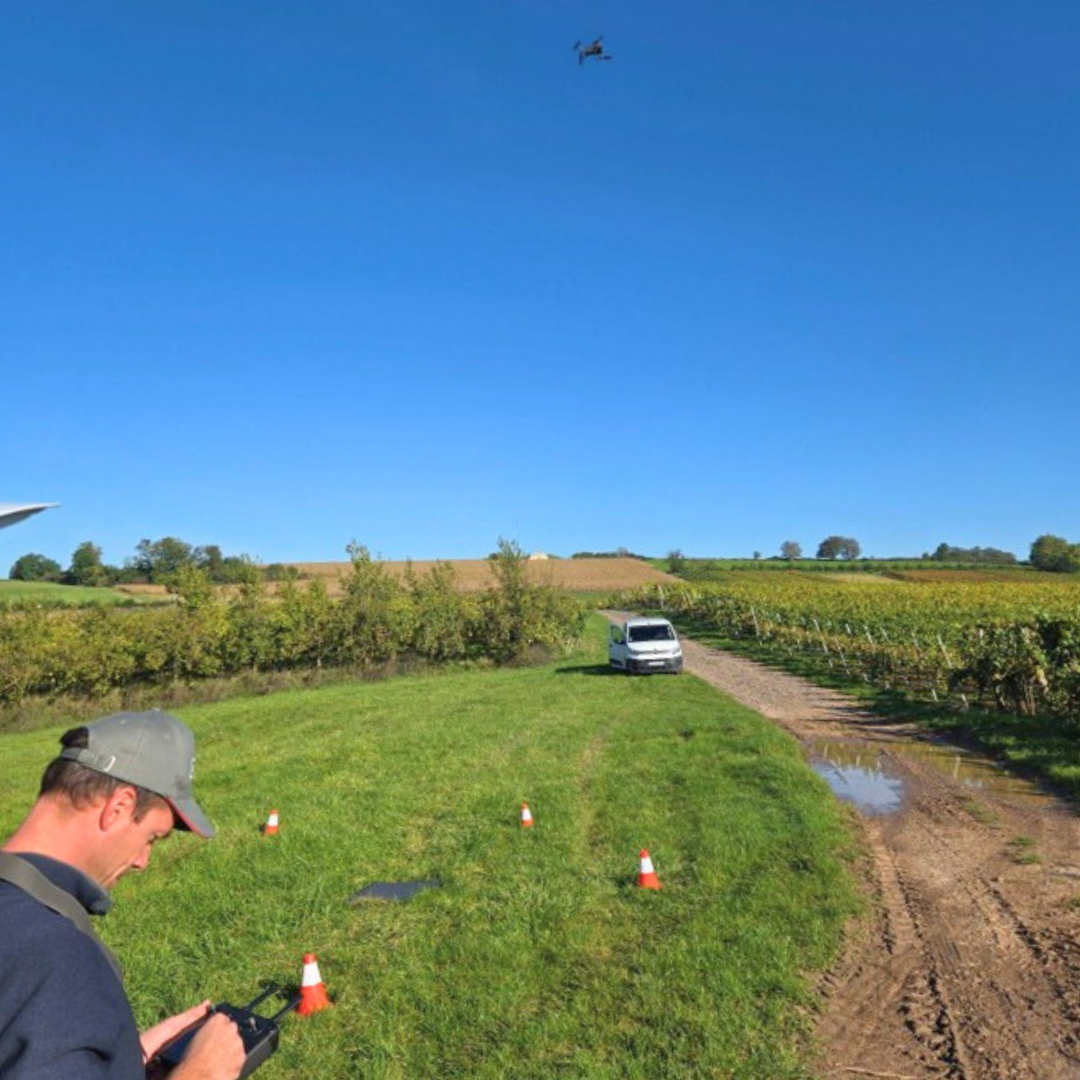
David Kremer, the drone pilot of the Chamber of Agriculture

Combining complementary data collection methods

Monitoring grapevine diseases across vineyard plots can be challenging, particularly when symptoms vary between vines and may be difficult to identify consistently across large areas. Combining different data collection methods offers an opportunity to capture complementary information and develop more reliable detection models.

Three approaches are used in UCP 1 to collect images of the canopy:

  • Drone flights: Aerial imagery provides an overview of vineyard plots and allows the observation of spatial variability across the vineyard, collecting images in the RGB and hyperspectral. While disease symptoms can often be detected on the canopy, differentiating between specific grapevine diseases is difficult because symptoms may appear similar from an aerial perspective and fine diagnostic details are not always visible.
  • On-board camera acquisitions: images collected in the close to the vegetation provide a different perspective, capturing visual details of the grapevine canopy that may be useful for identifying disease symptoms.
  • Pedestrian prospections: field observations provided by the expert human eye provide essential reference data on grapevine health. These prospections help verify the presence or absence of symptoms and provide the ground-truth information needed to develop and evaluate disease detection models.

From field data to AI-based disease detection

The images collected during the campaign will contribute to the development of artificial intelligence models designed to detect Bois noir and Grapevine leafroll disease.

The development of reliable detection models depends not only on the quantity of images collected, but also on the availability of high-quality, verified field observations. By linking images to information gathered during ground surveys, the project can provide the data needed to train and evaluate models under real vineyard conditions.

Combining these different sources of information is a key step towards developing detection models that can make the most of digital imagery while taking into account the complexity of disease symptoms observed in the field.

Once developed, these models are intended to be integrated into the STELLA Plant Protection Service Platform (PSS), contributing to digital tools that can support disease surveillance and help users better understand the health status of their vineyards.

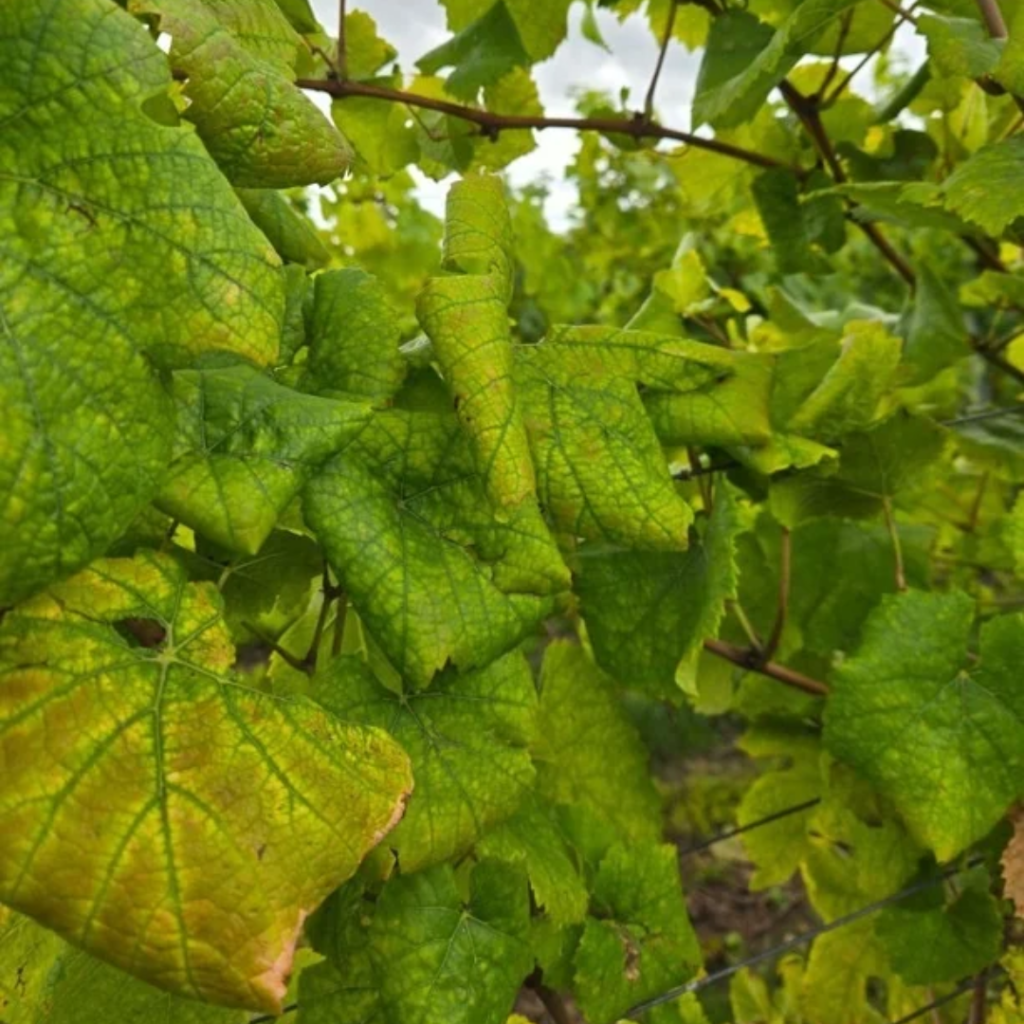
Symptoms of grapevine leafroll on leaves
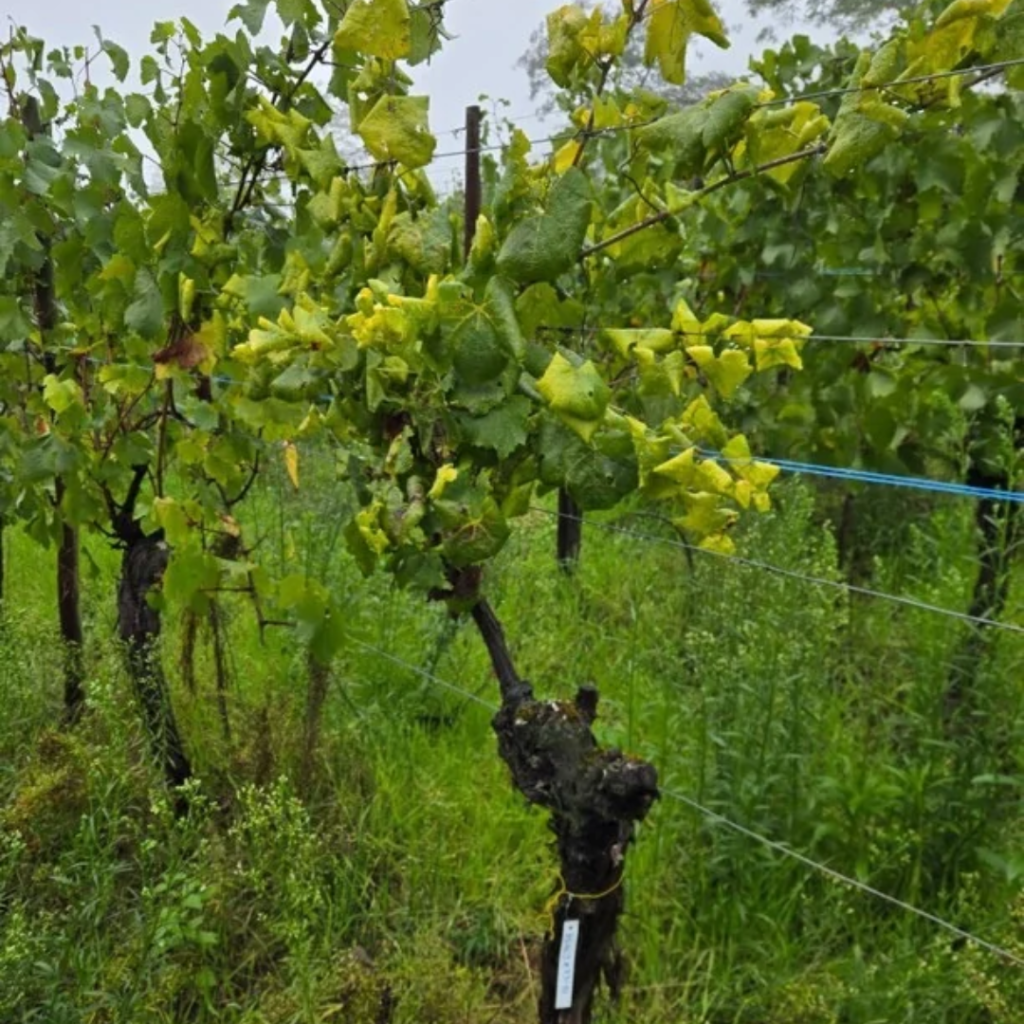
A grapevine showing symptoms of Bois noir

The campaign was made possible thanks to the involvement of local winegrowers and the contribution of David Kremer from the Chamber of Agriculture of the Grand Est region, whose support was essential to the 2026 data collection activities.

Learn more about the STELLA project: https://stella-pss.eu/en/

Gefördert von der Europäischen Union. Die dargestellten Ansichten und Meinungen sind jedoch ausschließlich die der Autor(innen) und spiegeln nicht unbedingt die der Europäischen Union oder der Forschungsexekutivagentur wider. Weder die Europäische Union noch die gewährende Behörde können dafür verantwortlich gemacht werden

FOLGEN SIE UNS IN DEN SOZIALEN MEDIEN

Stella Project © 2026. All Rights Reserved.

Cookie-Einstellungen

✕

Andere

Andere nicht kategorisierte Cookies sind Cookies, die analysiert werden und bisher noch keiner Kategorie zugeordnet wurden.

Notwendig

Notwendig
Notwendige Cookies sind für die ordnungsgemäße Funktion der Website unbedingt erforderlich. Diese Cookies stellen grundlegende Funktionen und Sicherheitsmerkmale der Website anonym sicher.

Werbung

Werbe-Cookies werden verwendet, um Besuchern relevante Anzeigen und Marketingkampagnen bereitzustellen. Diese Cookies verfolgen Besucher über Websites hinweg und erfassen Informationen, um personalisierte Anzeigen bereitzustellen.

Analyse

Analyse-Cookies werden verwendet, um zu verstehen, wie Besucher mit der Website interagieren. Diese Cookies liefern Informationen zu Kennzahlen wie Besucherzahl, Absprungrate, Traffic-Quelle usw.

Funktional

Funktionale Cookies helfen dabei, bestimmte Funktionen auszuführen, z. B. Inhalte der Website in sozialen Medien zu teilen, Feedback zu sammeln und andere Funktionen von Drittanbietern bereitzustellen.

Performance

Performance-Cookies werden verwendet, um die wichtigsten Leistungskennzahlen der Website zu verstehen und zu analysieren. Dies hilft dabei, den Besuchern eine bessere Benutzererfahrung zu bieten.